
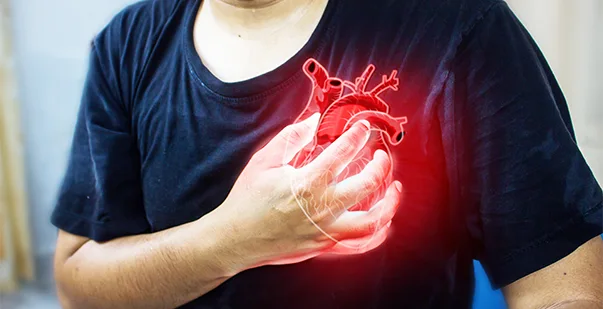
Your heart beats around 100,000 times each day without you thinking about it. But when your heart suddenly starts racing, it can feel scary. You might wonder if something is wrong.
Tachycardia means your heart is beating too fast. For adults, this usually means more than 100 beats per minute while resting. Sometimes it happens after exercise or stress, and that is normal. Other times, it signals a health problem that needs attention.
This guide explains what tachycardia is, why it happens, and when you should talk to your doctor. Understanding your heart rate helps you make better decisions about your health.
Key Takeaways
- Tachycardia means your heart beats faster than 100 times per minute at rest
- Not all fast heart rates are dangerous; some are normal responses to activity or stress
- Several types exist, including supraventricular tachycardia and ventricular tachycardia
- Common causes include fever, dehydration, anxiety, and certain medications
- Symptoms may include chest pain, dizziness, shortness of breath, or lightheadedness
- Treatment depends on the type and cause, ranging from lifestyle changes to medications
- Seek emergency care if you have severe chest pain or trouble breathing
What Tachycardia Means for Your Heart
A normal resting heart rate for adults ranges from 60 to 100 beats per minute. When your heart consistently beats faster than 100 beats per minute while you are at rest, doctors call this tachycardia.
Your heart has four chambers. The upper chambers are called atria, and the lower chambers are called ventricles. Electrical signals control your heartbeat, telling these chambers when to contract and pump blood.
When these electrical signals get disrupted, your heart can beat too quickly. This affects how well your heart pumps blood to your body and brain. If your heart beats too fast for too long, it cannot fill with enough blood between beats. This means less oxygen reaches your organs.
Types of Tachycardia
Different types of tachycardia start in different parts of your heart. Supraventricular tachycardia begins in the upper chambers. This is the most common type and usually not life threatening.
Ventricular tachycardia starts in the lower chambers. This type is more serious because the ventricles do the heavy work of pumping blood throughout your body.
Sinus tachycardia is your heart’s normal response to things like exercise, fever, or stress. Your heart rate returns to normal once the trigger goes away. This type usually does not require treatment.
Common Causes of a Fast Heart Rate
Many things can make your heart beat faster. Some are temporary and harmless. Others point to health conditions that need medical care.
Physical activity naturally increases your heart rate. When you exercise, your muscles need more oxygen, so your heart pumps faster. This is healthy and expected.
Emotional stress and anxiety trigger the release of stress hormones. These hormones prepare your body for action by speeding up your heart. Once you calm down, your heart rate should return to normal.
Caffeine and certain medications can stimulate your heart. Energy drinks, coffee, and some cold medicines contain substances that increase heart rate. Even some asthma medications can cause this effect.
Medical Conditions That Affect Heart Rate
Several health problems can cause tachycardia. An overactive thyroid gland produces too much thyroid hormone, which speeds up many body processes, including heart rate.
Heart disease, including coronary artery disease and heart valve problems, can disrupt normal electrical signals. This leads to irregular or fast heartbeats.
Anemia means you do not have enough healthy red blood cells to carry oxygen. Your heart tries to compensate by beating faster to deliver what oxygen is available.
Dehydration and electrolyte imbalances affect the electrical signals in your heart. Even losing a lot of fluid from fever or illness can trigger tachycardia.
Recognizing Symptoms and Warning Signs
Many people with tachycardia feel their heart racing or pounding. You might notice this sensation in your chest, throat, or neck. Doctors call this feeling palpitations.
You may feel dizzy or lightheaded because your brain is not getting enough blood. Some people experience shortness of breath, even when sitting still. Chest discomfort or pain can happen when your heart is not pumping effectively.
Fatigue and weakness are common because your body is not getting enough oxygen. You might feel tired even after resting.
When to Seek Medical Help
Call 911 right away if you have chest pain that lasts more than a few minutes, severe shortness of breath, or fainting. These symptoms could mean a serious heart problem.
Schedule an appointment with your doctor if you notice frequent episodes of rapid heartbeat. Even if the episodes are brief, they deserve medical evaluation.
Track your symptoms in a journal. Write down when episodes happen, how long they last, and what you were doing at the time. This information helps your doctor make an accurate diagnosis.
Treatment Options and Management
Treatment for tachycardia depends on what type you have and what is causing it. Your doctor will start by treating any underlying condition.
For some people, lifestyle changes make a big difference. Reducing caffeine and alcohol intake can help. Getting enough sleep, managing stress, and staying hydrated are important steps.
Medications can control heart rate and rhythm. Beta blockers slow your heart rate. Calcium channel blockers affect how electrical signals move through your heart. Anti-arrhythmic drugs help maintain a normal rhythm.
Medical Procedures
Some cases require procedures. Catheter ablation destroys the small area of heart tissue causing abnormal electrical signals. This procedure has a high success rate for certain types of tachycardia.
Cardioversion uses electrical shocks or medications to reset your heart rhythm. Doctors perform this procedure in a hospital under careful monitoring.
A pacemaker or implantable cardioverter defibrillator (ICD) may be necessary for severe cases. These devices monitor your heart and deliver electrical impulses when needed.
FAQ
How do I know if my heart rate is too fast?
A resting heart rate above 100 beats per minute is considered tachycardia. You can check your pulse by placing two fingers on your wrist or neck and counting beats for 60 seconds. If you consistently measure rates above 100 while resting, contact your doctor.
Can tachycardia go away on its own?
Some types of tachycardia resolve without treatment, especially if caused by temporary factors like stress or caffeine. However, recurrent or persistent episodes need medical evaluation. Never assume tachycardia will resolve on its own without getting checked.
Is tachycardia dangerous?
The danger level depends on the type and cause. Sinus tachycardia from exercise is normal and safe. Ventricular tachycardia can be life threatening. Any unexplained rapid heart rate deserves medical attention to determine if it poses risks.
What is the difference between tachycardia and atrial fibrillation?
Tachycardia means any fast heart rate above 100 beats per minute. Atrial fibrillation is a specific type of irregular heartbeat where the upper chambers quiver instead of beating effectively. A-fib often causes a fast heart rate, but not all tachycardia is atrial fibrillation.
Can anxiety cause tachycardia?
Yes, anxiety commonly triggers tachycardia. When you feel anxious, your body releases stress hormones that increase heart rate. This is a normal physical response. However, if you experience frequent heart racing with anxiety, discuss this with your doctor to rule out other causes.
What foods should I avoid if I have tachycardia?
Limit or avoid caffeine from coffee, tea, energy drinks, and chocolate. Reduce alcohol consumption. Avoid foods high in added sugars that can cause blood sugar spikes. Some people are sensitive to spicy foods or large meals that can trigger episodes.
Take Control of Your Heart Health
Understanding what tachycardia is helps you recognize when your heart needs attention. While a fast heart rate sometimes results from normal activities, persistent or unexplained episodes require medical evaluation.
Pay attention to what your body tells you. Track your symptoms and share this information with your healthcare provider. Early detection and proper treatment prevent complications and improve your quality of life.If you experience rapid heartbeat, chest pain, dizziness, or other concerning symptoms, the experienced team at Evans Medical Group is here to help. We provide comprehensive cardiac care and work with you to develop a personalized treatment plan. Contact us today to schedule an evaluation and get the answers you need about your heart health.